Karat Altın için Altın 3D Yazıcı Takıları
Karat Altın Nedir?
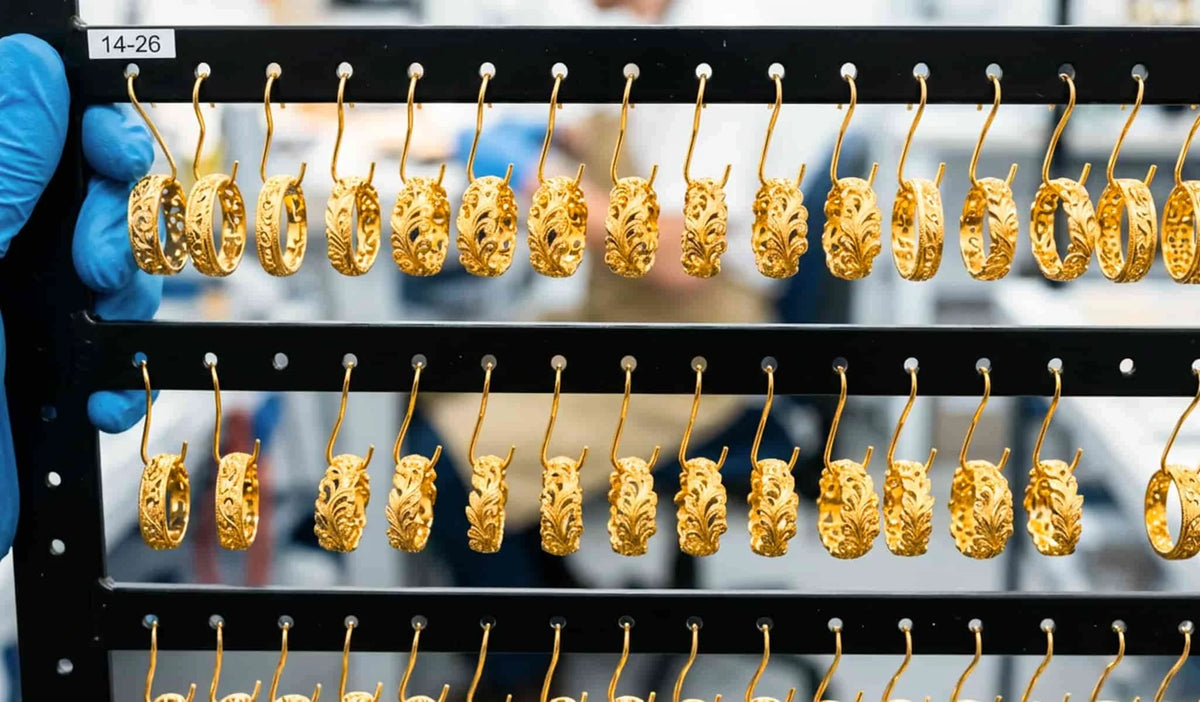
Dijital takı üretiminin yükselişiyle birlikte, karat altın özellikle özel ve küçük parti takı üretiminde altın 3D yazıcı iş akışlarında en yaygın kullanılan malzemelerden biri haline gelmiştir.
Karat altın (K altın), saf altının bakır, gümüş, nikel veya paladyum gibi diğer metallerle karıştırılmasıyla yapılan bir altın alaşımı türüdür. Bu ek metaller sertlik, dayanıklılık ve işlenebilirliği artırır. Saf altın (24K) zengin bir renge sahip olsa da, günlük takılar için çok yumuşaktır; bu nedenle çoğu takı daha düşük karatlı altın alaşımları kullanılarak yapılır.
Karat değeri, alaşımdaki saf altın yüzdesini gösterir. Daha yüksek karat, daha yüksek altın içeriği, daha sıcak doğal altın rengi ve daha yüksek fiyat anlamına gelir. Daha düşük karatlı altın, daha fazla alaşım metali içerir, bu da onu daha güçlü, daha uygun fiyatlı ve günlük kullanıma daha uygun hale getirir.
K altın takılar daha az saf altın kullanır, toplam maliyeti düşürür ve tasarımcıların alaşım bileşimiyle renk ve mekanik dayanıklılığı ayarlamasına olanak tanır. Bu da K altını modern takı üretiminde en yaygın kullanılan malzemelerden biri yapar.
Yaygın Karat Altın Dereceleri
Altın içeriğine göre, karat altın genellikle aşağıdaki derecelere ayrılır:
- 24K – Saf altın (en yüksek altın içeriği)
- 22K – Yaklaşık %91,6 altın
- 21K – Yaklaşık %87,5 altın
- 18K – Yaklaşık %75 altın
- 14K – Yaklaşık %58,5 altın
Bu seçenekler arasında, 14K ve 18K altın, dengeli sertlik, döküm stabilitesi ve estetik kalite nedeniyle altın 3D yazıcı tabanlı takı üretiminde en yaygın kullanılan malzemelerdir.
Renge Göre Karat Altın Türleri
Sarı Altın
- En geleneksel ve klasik altın rengi
- Sıcak, doğal görünüm
- Genellikle alyans, yüzük ve kolyelerde kullanılır
- Kolayca solmayan stabil renk
Gül Altın (Kırmızı Altın)
- Daha yüksek bakır içeriği pembe veya kırmızımsı ton oluşturur
- Romantik ve modaya uygun, çift yüzükleri ve modern tasarımlar için popüler
- Aşırı bakır cilt hassasiyetine neden olabilir, bu yüzden uygun alaşım dengesi önemlidir
Beyaz Altın
- Nikel, gümüş veya paladyum gibi metallerle alaşımlanmıştır
- Gümüş-beyaz bir görünüme sahiptir
- Elmas montürleri ve soğuk tonlu değerli taşlar için idealdir
- Parlaklık ve aşınma direncini artırmak için genellikle rodyum kaplama yapılır
Karat Altının Avantajları ve Dezavantajları
Avantajlar
- Saf altından daha sert ve aşınmaya dayanıklıdır
- Alaşım bileşimi renk ve dayanıklılık kontrolüne esneklik sağlar
- Günlük kullanım ve karmaşık takı tasarımları için uygundur
- Değerli taş montürleri ve ince detaylar için idealdir
Dezavantajlar
- Daha düşük karatlı altın daha az doğal altın rengine sahiptir
- Beyaz altın periyodik rodyum kaplama gerektirebilir
- Metal alerjisi olan kişiler alaşım bileşimine dikkat etmelidir
Takı 3D Baskısında Karat Altın
Modern takı üretiminde, altın 3D yazıcı genellikle doğrudan katı altın basmak yerine mum baskısı ve kayıp mum döküm ile birlikte kullanılır.
Mum Baskısı + Kayıp Mum Döküm
- Yüksek çözünürlüklü mum veya dökülebilir reçine 3D basılarak takı modeli oluşturulur
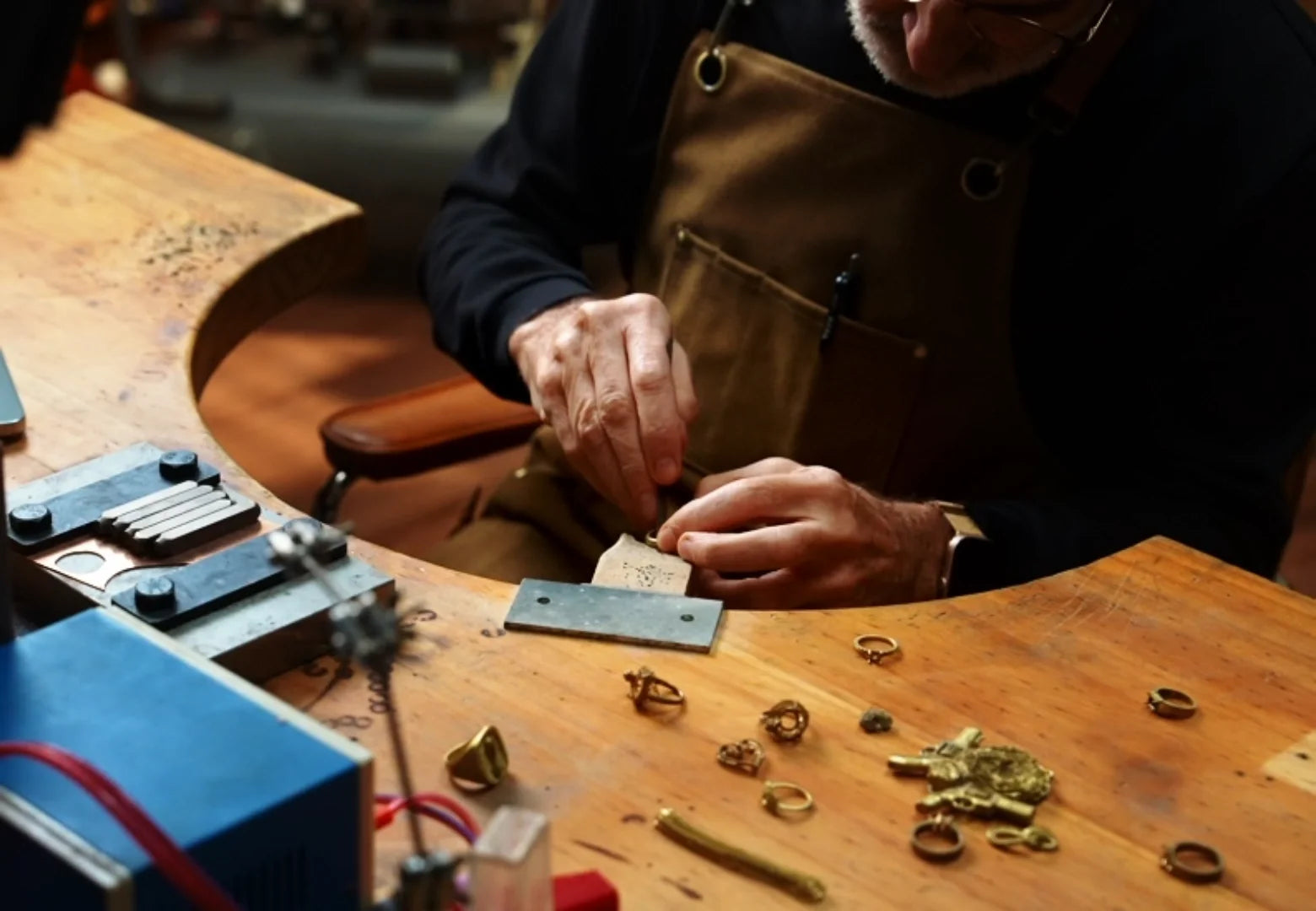
- Model, erimiş karat altın ile geleneksel kayıp mum dökümünde kullanılır
- İnce dokular, boş yapılar ve mikro pavé tasarımlar için idealdir
Altın Kaplama ile 3D Baskılı Takılar
- Düşük maliyetli temel modeller (plastik veya metal) önce 3D basılır
- Bitmiş parçalar karat altın ile elektro kaplanır
- Prototipler, örnekler ve küçük ölçekli özelleştirme için uygundur
Doğru Karat Altın Nasıl Seçilir
Özel takı için karat altın seçerken, hem tasarım amacı hem de kullanılan altın 3D yazıcının teknik gereksinimleri dikkate alınmalıdır.
Günlük takılar: 14K veya 18K sarı veya gül altın dayanıklılık ve konfor sunar
Elmas ve değerli taş takıları: 18K beyaz altın parlaklık ve kontrastı artırır
Yaratıcı veya karmaşık tasarımlar: Karat altını 3D baskı süreçleriyle birleştirerek ince detaylar ve benzersiz yapılar elde edin