What Is a Drill Setting? Process, Types & Jewelry Setting Guide
Drill Setting is one of the most specialized stone setting techniques used in jewelry manufacturing. Unlike Prong Setting, Bezel Setting, or Channel Setting, which secure gemstones through mechanical pressure, Drill Setting fixes a gemstone by combining a precisely drilled hole with a metal post and professional jewelry adhesive.
This technique is widely used for pearls and other organic gemstones because it minimizes visible metal while creating a clean, elegant appearance. In this guide, we'll explain how Drill Setting works, which gemstones are suitable, the difference between half-drilled and full-drilled settings, the manufacturing process, and how to evaluate the quality of a Drill Setting.
What Is Drill Setting?
Drill Setting is a jewelry stone setting technique in which one or more holes are drilled into a gemstone, allowing it to be secured to a jewelry mounting using a metal pin or post together with a specialized jewelry epoxy.
Unlike traditional settings that hold a gemstone from the outside, Drill Setting anchors the stone from within. Because the metal support is hidden inside the drilled hole, very little metal is visible after assembly, creating a clean, lightweight, and contemporary appearance.
In some jewelry designs, the gemstone is fixed with epoxy adhesive. In others, a through-hole combined with a riveted metal pin provides mechanical retention without adhesive.

Why Was Drill Setting Developed?
Not every gemstone is suitable for traditional mechanical settings. Organic gemstones such as pearls, amber, shell, and coral are relatively soft and can easily be scratched or damaged by prongs or pressure during setting.
In addition, many spherical, pear-shaped, freeform, or irregular gemstones lack a defined girdle, making it difficult for conventional setting methods to provide stable support.
Drill Setting solves these challenges by moving the attachment point inside the gemstone. This reduces visible metal, protects delicate surfaces, and makes it possible to secure gemstones that are difficult or impossible to mount using conventional jewelry setting techniques.
Gemstones Suitable for Drill Setting
Drill Setting is primarily used for gemstones and materials that benefit from hidden attachment points rather than external metal supports.
- Pearls (Freshwater, Akoya, South Sea, Tahitian)
- Amber
- Shell
- Coral
- Tagua nut (vegetable ivory)
- Crystal
- Garnet
- Feldspar
- Agate
- Other beads and freeform gemstones
High-value transparent gemstones such as diamonds, rubies, sapphires, and emeralds are rarely drill set because drilling permanently alters the gemstone and may reduce both clarity and value.

How Drill Setting Works
Although Drill Setting relies on jewelry adhesive, its strength comes from the combination of precision drilling and mechanical bonding, rather than glue alone.
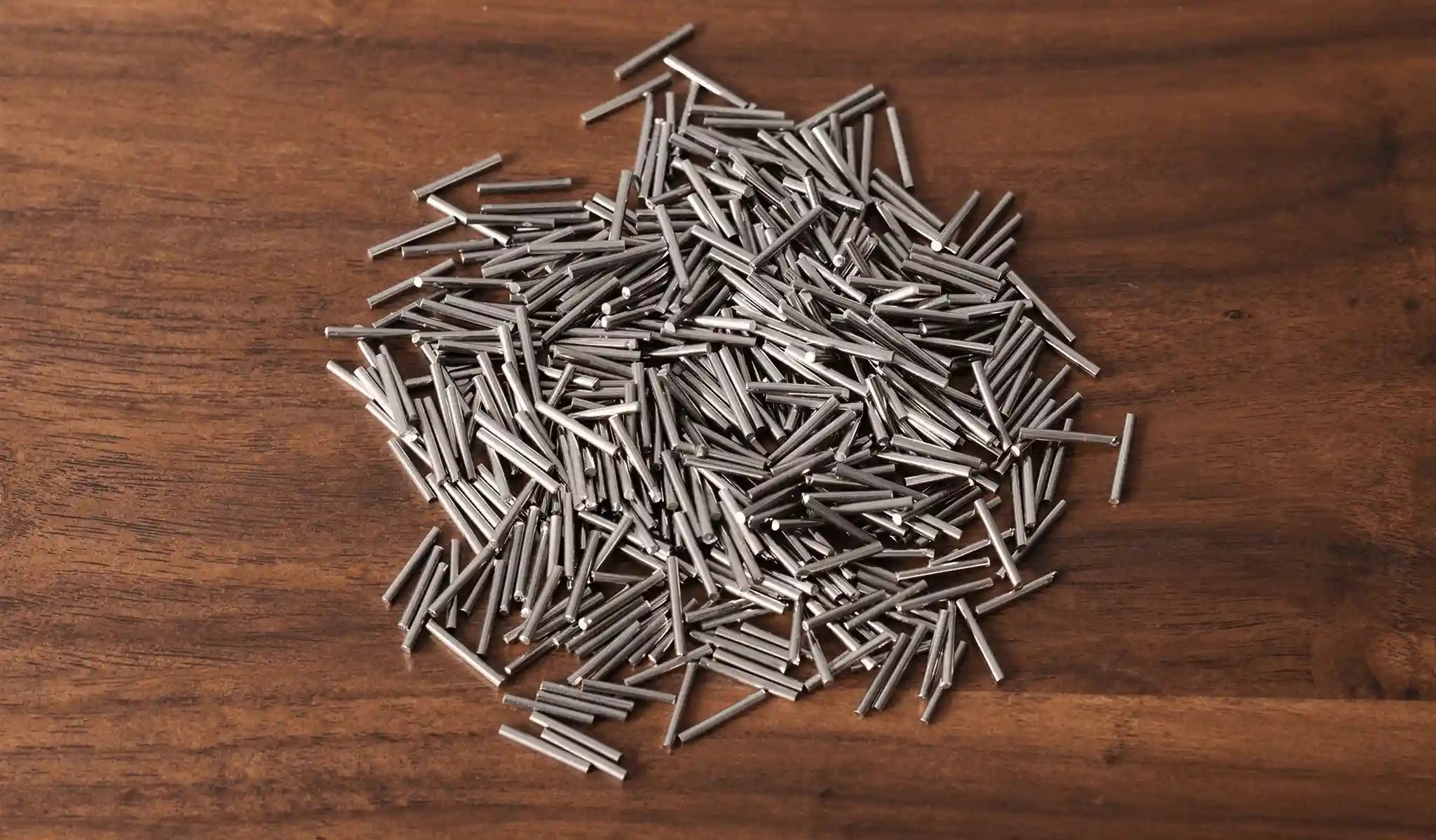
First, a precisely sized hole is drilled into the gemstone. The hole is only slightly larger than the metal post, ensuring accurate positioning. The metal post is typically machined with spiral or textured grooves, allowing the adhesive to lock mechanically around the post and significantly improve holding strength.
Professional jewelry manufacturers usually use a two-part epoxy adhesive. Once mixed, it provides excellent bonding strength while remaining slightly flexible to absorb small impacts during everyday wear. The final security of the setting depends on accurate drilling, proper hole depth, post machining, adhesive quality, and careful assembly.
Drill Setting Process
- Mark the drilling position on the gemstone, preferably in an inconspicuous area.
- Drill the hole using professional jewelry drilling equipment while maintaining accurate diameter and depth.
- Prepare the metal post with grooves or textured surfaces to improve mechanical bonding.
- Mix and apply the epoxy adhesive evenly inside the drilled hole.
- Insert the metal post and press the gemstone firmly into its final position.
- Allow the adhesive to cure completely, then remove excess adhesive and inspect the finished setting.

How to Evaluate Drill Setting Quality
A high-quality drill setting should feature a precisely centered drill hole that matches the metal post without visible cracks or chipping. The gemstone should sit naturally against the mounting with no gaps or excess adhesive. The metal post should remain completely hidden inside the gemstone, creating a clean and elegant appearance. When gently tested, the stone should feel secure without movement or rotation (unless intentionally designed to rotate). For pearl jewelry, the nacre surrounding the drill hole should remain smooth and undamaged, as these details directly affect durability, appearance, and long-term reliability.
Conclusion
Although less common than prong, bezel, or channel settings, Drill Setting remains one of the most important stone-setting techniques for pearls and other organic gemstones. By combining precision drilling with specialized jewelry adhesives or riveted structures, it creates clean, elegant designs while preserving the natural beauty of the gemstone.
Understanding how drill setting works, which gemstones it suits, and how to evaluate workmanship can help jewelry professionals, designers, and consumers make more informed decisions when selecting or manufacturing fine jewelry.